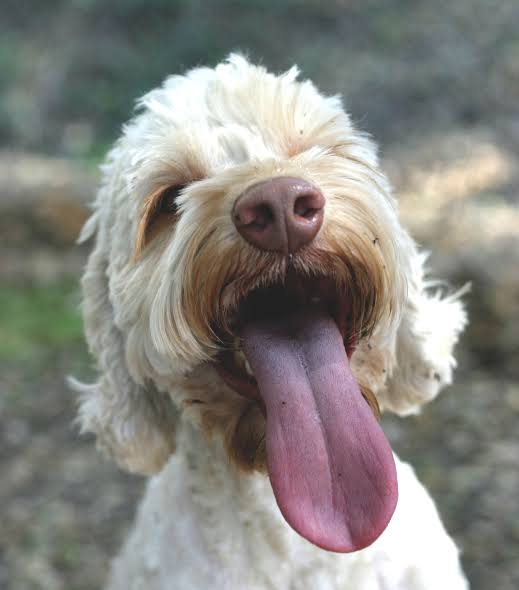
Dog Panting And What It Means
Know The Signs
The Complete Guide to Dog Panting: Normal Cooling vs. Emergency Warning Signs
Panting is a perfectly normal part of being a dog. Because dogs don’t sweat through their skin the way humans do, they rely on the evaporation of moisture from their tongues, mouth, and lungs to regulate their body temperature.
However, when a dog starts panting out of nowhere, panting heavily at night, or shaking simultaneously, it can leave owners frantic for answers. This comprehensive guide breaks down every major reason behind canine panting, how to keep your pet safe, and when it’s time to head to the vet.
1. The Baseline: What is “Normal” Panting?
Normal panting occurs when your dog’s body is doing exactly what it was designed to do.
-
After Exercise or “Zoomies”: It is completely normal for a dog to pant fast and heavily after running, a long walk, or a massive burst of energy.
-
The Happy “Smile”: Normal panting is usually accompanied by a relaxed body, bright eyes, a gently wagging tail, and a wide-open mouth with a relaxed tongue.
-
How Long Is Too Long? A healthy dog should stop panting and return to a normal breathing rhythm within 10 to 20 minutes after resting in a cool environment. If your dog is panting for hours or a long time after playing, their body is struggling to cool down.
2. When It’s Not the Heat: Behavioral & Emotional Causes
One of the most common searches is “Why is my dog panting when it’s not hot?” If the room temperature is perfectly comfortable, the trigger is likely emotional.
Stress, Anxiety, and Fear
Dogs physically manifest anxiety through rapid breathing. You will often see a stressed dog panting with their ears pinned back, yawning frequently, or licking their lips and paws.
-
Thunderstorms and Fireworks: Loud storms or fireworks trigger acute panic. The panting is a direct adrenaline response.
-
The Dreaded Car Ride: Many dogs pant excessively or drool during car rides. This is driven by either severe motion sickness (nausea) or vehicle-induced travel anxiety.
-
Crate Anxiety: If a dog is panting uncontrollably only when placed in their crate, it is a clear sign of confinement distress or separation anxiety.
3. The Midnight Mystery: Why Dogs Pant and Pace at Night
It can be incredibly distressing when your dog wakes you up in the middle of the night panting heavily, pacing around the bedroom, and unable to settle. If the room isn’t hot, night panting is almost always driven by one of three things:
[Nighttime Panting]
   │
   ├──► 1. Physical Pain (Arthritis/Joint pain flares up when lying still)
   │
   ├──► 2. Cognitive Decline (Sundowning/Dementia in senior dogs)
   │
   └──► 3. Medical Conditions (Cushing's disease or early heart failure)
-
Age and “Sundowning”: Old age brings cognitive changes. Senior dogs often suffer from “sundowning” (similar to human dementia), causing them to become confused, restless, and prone to pacing or staring at walls at night.
-
Hidden Joint Pain: When a dog lies down to sleep, the lack of movement can cause arthritis or joint pain to stiffen up. Panting is their primary way of saying, “I’m hurting and I can’t get comfortable.”
4. Medical Red Flags: Panting as a Symptom of Disease
Sometimes, increased respiratory rate is the first warning sign of a systemic underlying illness.
Chronic Conditions
-
Cushing’s Disease: Excess cortisol production causes a classic trio of symptoms: constant panting, a pot-bellied appearance, and a dog that is suddenly drinking a lot of water and urinating constantly.
-
Heart Issues (CHF & Murmurs): Congestive Heart Failure (CHF) or a severe heart murmur forces the heart to work twice as hard to pump oxygen. If your dog is panting while sitting perfectly still, coughing, or breathing fast with a closed mouth, their lungs may be struggling for oxygen.
-
Kidney Disease & Pancreatitis: Internal illnesses that cause severe nausea or metabolic waste buildup will cause a dog to pant rapidly while refusing food (lethargic and not eating).
Medications and Treatment Responses
-
Steroids (Prednisone): If your vet prescribed prednisone or other steroids, profuse, heavy panting is a primary side effect. It artificially increases thirst and metabolic rate.
-
Post-Surgery & Sedatives: It is highly common for a dog to pant heavily the day after surgery. This is a combined reaction to the anesthesia wearing off, mild pain, or the dysphoria caused by post-op medications like Gabapentin or Trazodone.
5. Life Stages: Pregnancy, Labor, and Whelping
If you have an intact female dog, a sudden change in breathing patterns is a critical biological clock.
-
Signs of Impending Labor: Rapid, heavy panting paired with nesting behavior (digging at blankets) and a drop in body temperature is the universal sign that your pregnant dog is going into labor within the next 24 hours.
-
Post-Birth Panting: It is normal for a mother dog to pant on and off for a few days after giving birth due to nursing hormones and uterine contractions. However, if she is panting and shaking uncontrollably days after giving birth, this is a medical emergency known as Eclampsia (milk fever), caused by dangerously low blood calcium levels.
6. Emergency Warning Signs: When to Go to the Vet Immediately
Never ignore a sudden shift in behavior if it is paired with any of the following physical crises:
7. The Ultimate Remedy Guide: How to Safely Cool Down a Hot Dog
If your dog is panting heavily from standard heat exposure or overexertion on a warm day, you must lower their internal temperature safely. Never use ice-cold water, as this causes the blood vessels to constrict, trapping heat inside the body’s core.
A Note on End of Life: Sadly, many owners search for panting during a dog’s senior years. Heavy, unmanageable panting at the end of life or during terminal illnesses like cancer is a clear indicator of systemic pain, respiratory failure, or distress. Always consult your veterinarian for palliative care or pain management options to ensure your companion remains comfortable.